- Engaging Sacred Stories and Traditions
- Exhibiting knowledge, understanding, and continuing study of the Hebrew Scriptures and the New Testament.
- Maturing in effective proclamation and preaching.
- Understanding the history of the Christian Church, from biblical times forward.
- Bringing life to sacred stories and traditions in worship, proclamation, and witness.
- Leading faith formation effectively across generations.
- Holding the Holy with integrity especially as represented in the Sacraments.
1. Exhibiting knowledge, understanding, and continuing study of the Hebrew Scriptures and the New Testament.
This mark asks me to interpret Scripture in a manner that is responsible while also considering the text’s historical context, literary form, theological themes, and relevance for contemporary life. It has been through my studies at Wesley Theological Seminary, specifically when studying Psalms and Lamentations through several courses, that I have been challenged to wrestle with biblical expressions of violence, grief, trauma, and despair rather than dismissing them as uncomfortable texts. I have learned through these studies that Scripture gives voice to the complexity of human suffering and a wide array of human emotion. A faithful interpretation of texts such as the aforementioned Psalms and Lamentations, requires not only intellectual rigor, but also pastoral sensitivity. I need to continue developing my biblical language skills and interpretive methods so that I can approach difficult texts with greater depth and confidence.
2. Maturing in effective proclamation and preaching.
This mark asks me to proclaim the message of the Gospel. This proclamation occurs in a a variety of ways, but all of which must be biblically grounded, theologically meaningful in addition to being engaging and relevant to the congregation. In my sermon preparation, I have worked to connect Scripture with contemporary experiences of those hearing the message. Some of these experiences include exclusion, grief, hope, or community, which can help listeners recognize how their faith intersects with their daily lives. I have learned through my seminary coursework, including courses on preaching, that preaching is not simply sharing what I know. It is more than that- it is about inviting people into deeper reflection as well as a transformed understanding of God’s presence. One area where I need to grow in is delivery, storytelling, and sermon structure. I am working on this by studying effective preachers, seeking feedback from those hearing my sermons, and evaluating how my sermons connect with those hearing them.
3. Understanding the history of the Christian Church, from biblical times forward.
This mark asks me to understand how Christian beliefs, institutions, and practices developed over time, including the Church’s contributions and failures. Studying the history of Christianity and the United Church of Christ, traditions has helped me recognize how theological convictions have shaped movements for justice as well as systems of exclusion. I have learned that the Church’s history should neither be romanticized nor dismissed; it should inform our present responsibilities. I need to deepen my understanding of global Christianity and the perspectives of communities whose experiences are often overlooked in traditional church histories.
4. Bringing life to sacred stories and traditions in worship, proclamation, and witness.
Midweek Musings Links:
This mark asks me to communicate the meaning of Christian traditions in ways that connect with people’s lived experiences. Preparing a Lenten worship series around bread, hunger, communion, and the biblical image of God’s abundant table could help a congregation connect familiar stories with contemporary food insecurity and hospitality. I have learned that traditions become meaningful when people can see how they shape the way we live and serve others. I need to continue developing creative approaches to worship that engage people across generations while preserving the theological depth of the traditions being celebrated.
5. Leading faith formation effectively across generations.
This mark asks me to support spiritual growth to a variety of ages- from among children to youth, adults, and older adults. I recognize that each generation brings different questions and experiences to their faith experiences and the life of the faith community. Developing an interactive children’s message, facilitating an adult Bible study, or inviting older members to share stories of faith can all be opportunities for people to learn from one another and about one another. Through my internship at Penbrook United Church of Christ, I have learned that faith formation is not only formal instruction, although that can be an aspect of it. Faith formation also happens through our relationships with each other, through our service to one another, through worship, and by asking honest questions. I need to grow in adapting teaching methods to different developmental stages and learning styles, and I am working on this through continued study and experimentation with participatory learning.
6. Holding the Holy with integrity, especially as represented in the Sacraments.
This mark asks me to approach the Sacraments, baptism and communion, with theological understanding, but also with reverence and sensitivity to their meaning within the community of faith. Through my internship at Penbrook United Church of Christ, I had the opportunity to prepare for communion in a UCC congregation that uses grape juice. I have found profound meaning in this because of the consideration for people in recovery illustrates how sacramental practice can express both Christian tradition and pastoral care. Through these communion practices, I have also learned that the sacraments are not rituals to perform by the congregation on a monthly basis. More importantly and profoundly, the Sacramental communal practices of communion and baptism proclaim the themes of grace, belonging, and the promises of God to the community. I need to deepen and expand my understanding of sacramental theology and the UCC’s liturgical traditions. In doing that, I can lead these practices with greater confidence and care, while also supporting those within the congregation that I serve.
Engaging Sacred Stories and Traditions
I believe faithful preaching requires more than engaging biblical texts that provide a comforting message that is neat and tidy. I believe it also requires wrestling with the text’s historical context, along with its theological claims, and potential harm when interpreted irresponsibly and inappropriately. I want to help people seek and encounter Scripture honestly by asking difficult questions and discovering together how the Gospel speaks to the realities of our lives today.
I have led book studies at Penbrook United Church of Christ on the following books…
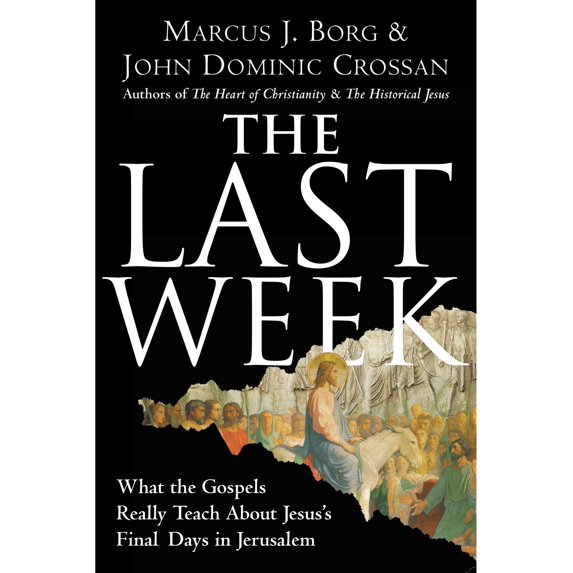
Lent 2025: The Last Week: What the Gospels Really Teach About Jesus’s Final Days in Jerusalem.
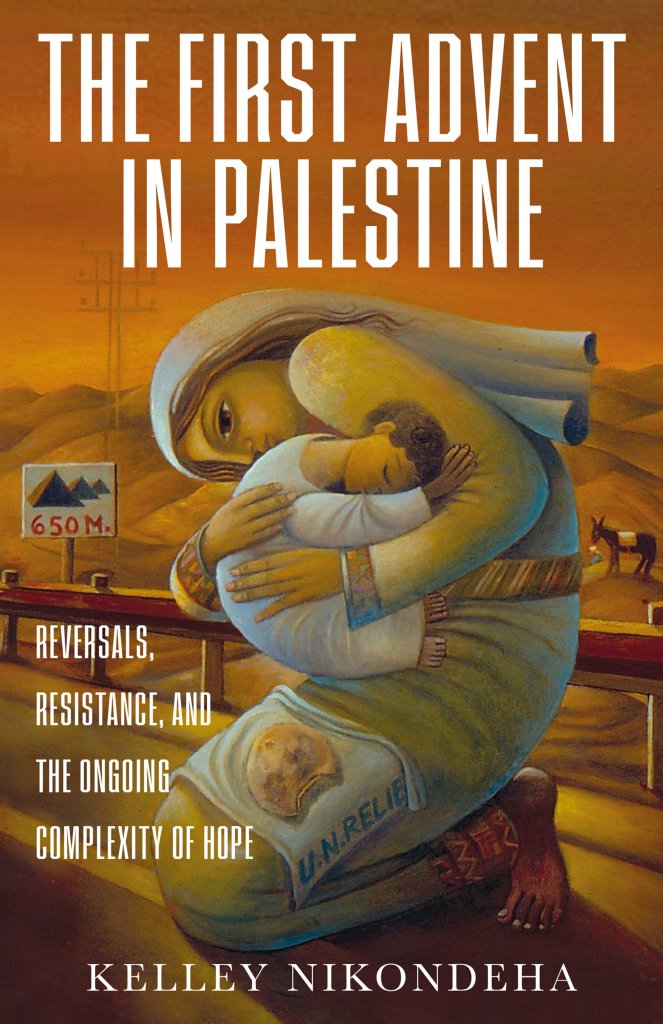
Advent 2025: The First Advent in Palestine: Reversals, Resistance, and the Ongoing Complexity of Hope
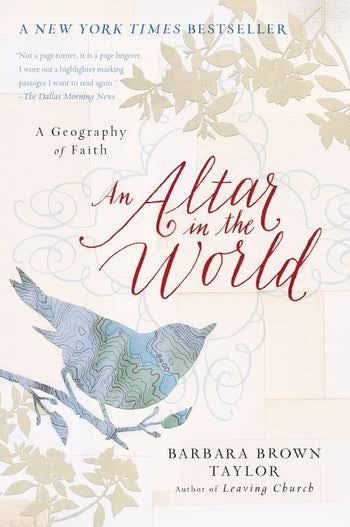
Lent 2026: An Altar in the World: A Geography of Faith
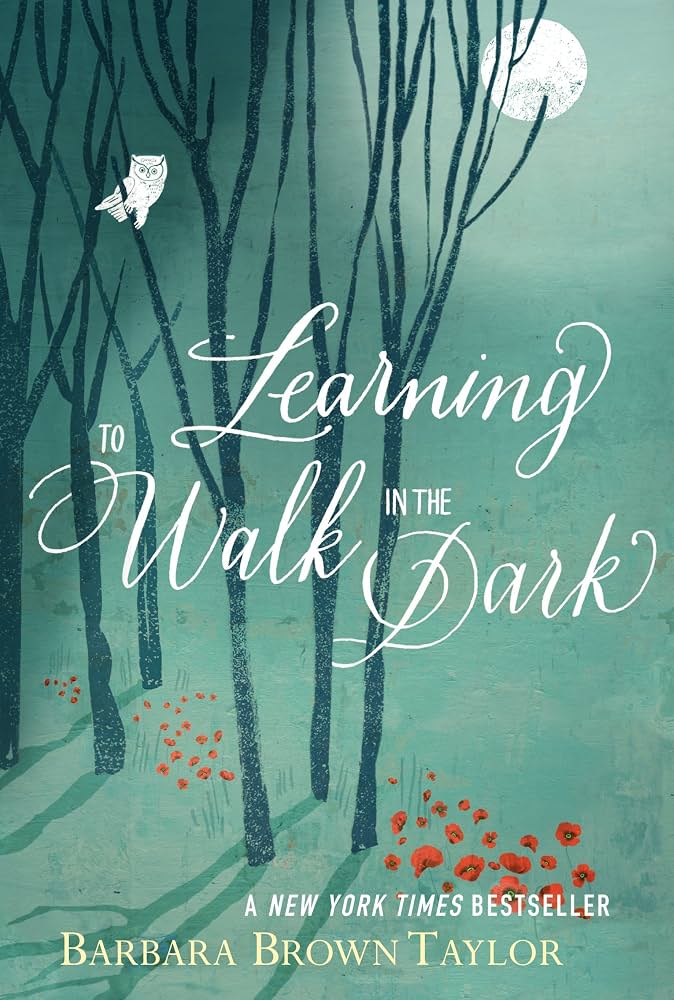
Advent 2026: Learning to Walk in the Dark

